

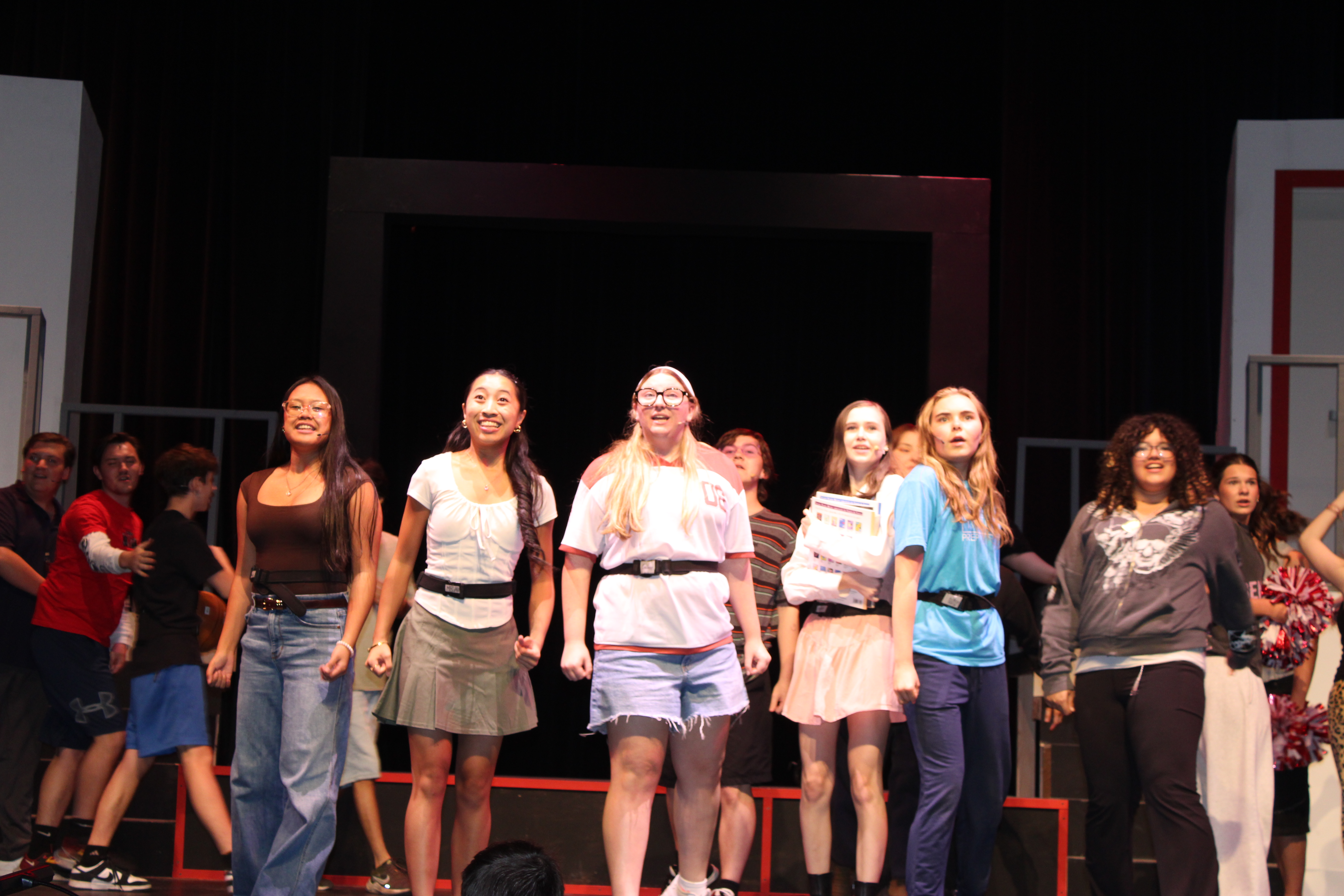
Daring circus acts, flashy performers and rows of slot machines – all along the Las Vegas Strip you’ll find reasons as to why Las Vegas holds the crown as the entertainment capital of the world. What isn’t known is that performing arts are dying, and it’s up to the community to save local talent.
This year alone, two major Strip productions are expected to close permanently. “Mad Apple” at the New York-New York Hotel & Casino took its final bow on Sept. 5, and “Awakening” at the Wynn Las Vegas will hit the stage one last time on Oct. 10.
The reason behind these closures? Audiences aren’t watching shows anymore.
According to the Las Vegas Convention and Visitors Authority’s visitor research, which has been tracking annual visitor profiles for decades, studies show that show attendance has declined in the last couple of years. Only 57% of visitors saw a show in 2023. Now, just 46% of visitors attend.
Performing arts – especially theater – are dying art forms. Since the COVID-19 pandemic, theater production has found itself struggling to gain back its momentum following the lockdown. Though slowly recovering from the pandemic, studies from the Theatre Communications Group indicate that theater production has yet to reach the same engagement and financial level as before.
The Las Vegas Strip is facing the same problem. Since 2022, Broadway productions have not surpassed 2% of visitors attending shows. Instead, attention has shifted toward events like magic, comedy and other headliners.
Not only that, but the demographic of visitors has changed. The average age of a Las Vegas theater attendee is 42 years old, but 55% of entertainment attendees consist of millennials and Gen Z combined. While millennials may still be attending these events, those in the younger generations that aren’t interested in theater prefer other forms of entertainment, such as live music, comedy clubs and interactive locations like Area15 and Universal Horror Unleashed.
Without audience engagement, Las Vegas theater isn’t just losing ticket sales and engagement, but also the future performers and contributors of performing art organizations. Studies show that those exposed to the arts are more likely to continue supporting art-related organizations, such as working as a staff member, donating funds to help pay for costs, or simply joining the audience for future shows.
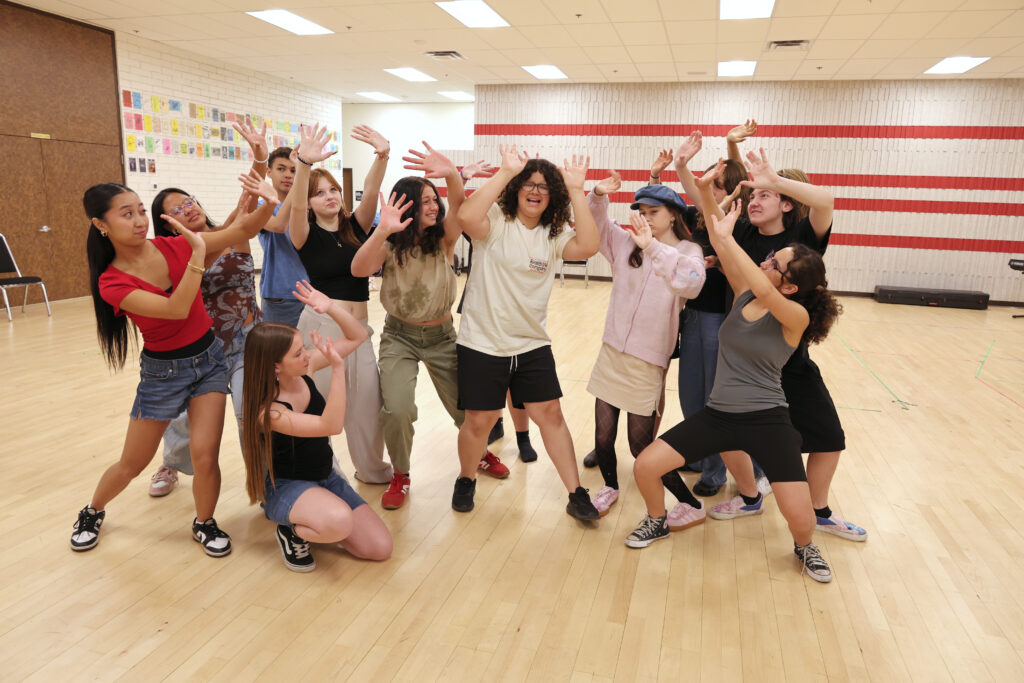
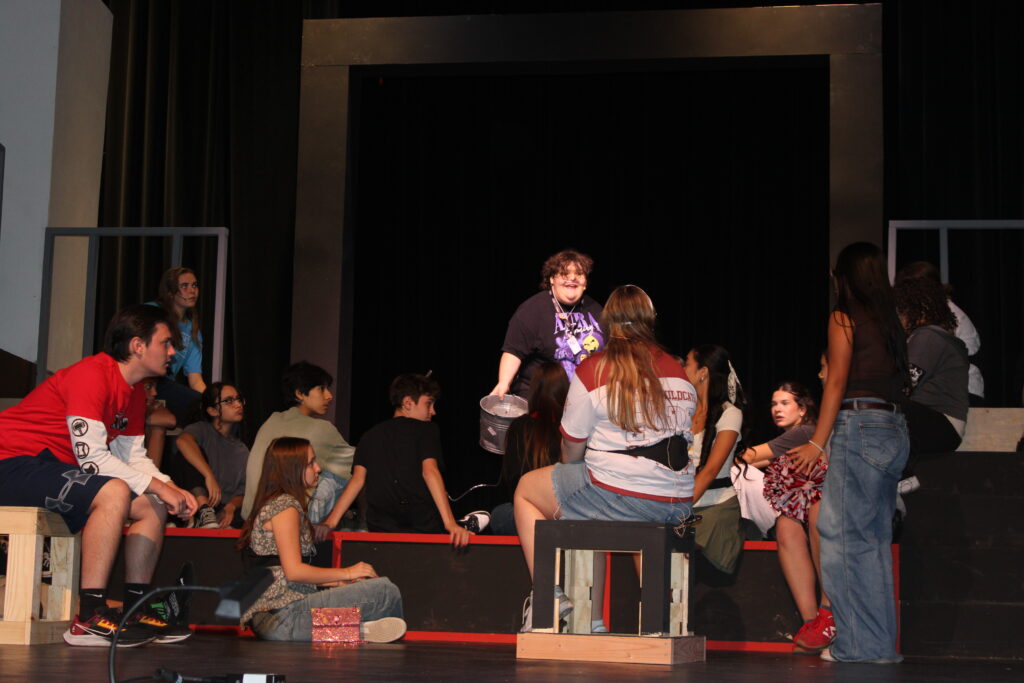
One prime example of audience engagement leading to future contributors can be found at the Rainbow Company Youth Theater, a nationally acclaimed group providing professional training programs for over 50 years.
Andy Lott, the director of the company’s upcoming show “High School Musical,” started off as a kid in the performing arts. Since 1998, he was deeply involved in shows spanning to the early 2000s. After moving away for college, Lott found himself back at Rainbow Company due to his love of theater, this time as a director to help guide the future of performing arts.
People like Lott help Rainbow Company thrive in the modern age. Not only does the company receive funds from the City’s Office of Cultural Affairs, but the company receives additional aid from Friends of the Rainbow Company, a nonprofit organization made up of Rainbow Company graduates and parents of children enrolled in the program.
Rainbow Company is a shining example of how performing arts can thrive if supported by the community. However, theater productions on the Strip can’t rely on financial aid from the city – their success depends on audience engagement.
If the world loses performing arts, not only is it losing creativity amid rising AI, but it is risking the loss of human connection – a relationship essential to battling mental health.
When sitting in a room amongst hundreds of other people, there exists a silent understanding between every audience member and the actors on the stage.
Experiencing the actor’s performance on stage leads to the activation of the limbic section of the brain, invoking feelings of awe and melancholy – emotions that help treat symptoms of depression and anxiety – and experiencing that with other people at the same time eliminates that sense of isolation.
Local talent can be found everywhere in Las Vegas. From youth theaters to professional productions, even at UNLV, the Nevada Conservatory Theater is just one of many in the city.
It is up to the support of the community to keep this dying art form alive.
So spread the word, buy that ticket, volunteer for that art center – performing arts cannot survive without its audience.

