

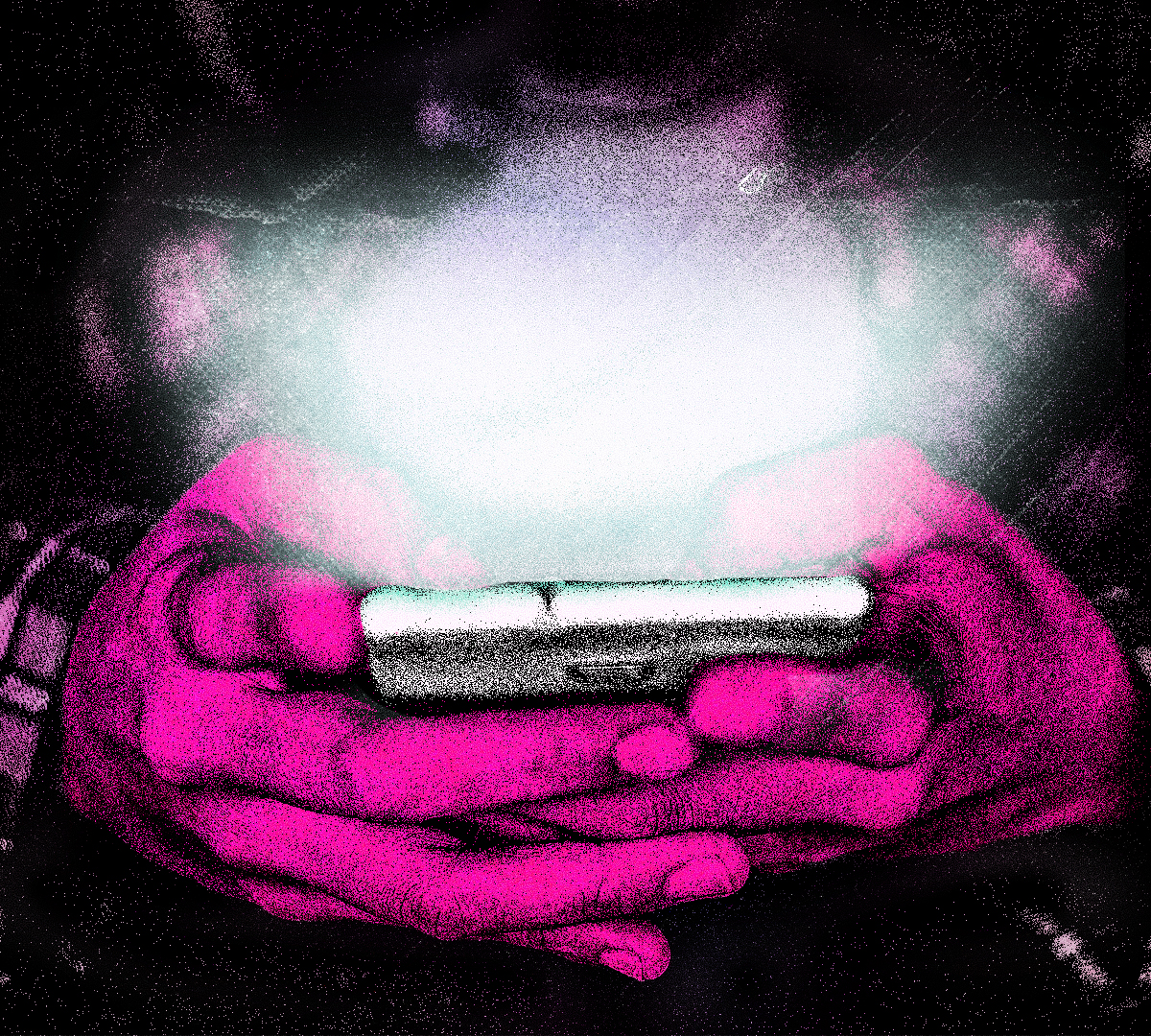
The common routine of waking up in the morning and immediately checking Instagram, Facebook, X or TikTok is our sad, twenty-first century equivalent of opening the curtains and checking the morning paper.
Most days we start with an immediate bombardment of content and information in our brains.The difference was that people pre-internet only had a limited amount of information made accessible to them by newspapers, radio shows and television broadcasts.
This does a lot of good, of course. It allows movements to gain traction and support, raises awareness of less-covered stories and it has the capability of holding people accountable.
Women in South Korea started the 4B movement, or the “Four No’s” movement, where they have sworn off sex with men, childbirth, dating, and marriage. It emerged through social media around 2015, aiming to dismantle the patriarchal system most women live under. Following the start of Trump 2.0 in 2024, young women in the US used TikTok and Instagram to promote the following of South Korean feminists who came before.
The No Kings protests did not contain itself to the US thanks to the influx of social media campaigns by 50501 in conjunction with other activist organizations. Crowds of people with “No Dictators” and “No Tyrants” signs and flags flooded the streets of the United Kingdom, France, and Rome.
These major movements reassure a growing change, but there is only so much individuals feel they can do to make immediate change. When people have to continue working, taking care of their families, going to school and simply existing, it is difficult to keep up with everything and have the resources to do so.
Unfortunately organizing and creating solidarity is difficult when most people need to work themselves to the bone to get barely enough. Making people feel alone and weak keeps them from understanding the severity of what we’re fighting against and creates hopelessness.
Social media wasn’t designed to be a replacement for reputable and accurate news, but Gen Z and Millennials have changed that for a majority of people. According to the Pew Research Center, 53% of American adults at least sometimes get their news from social media, and one-fifth of all US adults get their news mainly from social media apps. Luckily, the number of those mainly consuming their news on social media had fallen from a quarter of adults in 2024.
Managing living in a media-addicted, chaotic world of constant consumption of algorithms that favor stress-inducing content and just staying up-to-date about the state of the world, while also continuing on with your own daily life feels borderline apocalyptic. When TikTok warns about nuclear fallout, world leaders arguing on X, ICE trafficking humans to concentration camps, AI water consumption, human rights violations and the doomsday clock before clocking in for your part time job feels futile.
“Looking at the news is so depressing”, said Julissa Culibro. “In order to do the things I need to do like get my degree, go to law school and work, I have to remain sane and push through it.”
Culibro is a psychology student eyeing a potential future in law, but she often finds herself in distress about the state of the world to the point of tears. Studying, going to class and even daily self-care can feel pointless or selfish when the information becomes too overwhelming.
She is trying to manage her duty of staying informed as a citizen of the world and being aware of tragedy to be against it, while not letting the anger and sadness consume her to the point of neglecting her life outside of the news.
“Try to distance yourself some for sanity, but still get up and take the effort to inform yourself.”
Staying informed from reputable sources, fact checking, being aware of the privilege of being aware through a screen instead of directly affected and reminding yourself that you cannot have the strength to help others without being well enough yourself first.
Another option could be to become ignorant and apathetic, but give up the power of knowledge, empathy and the humanity of caring for others in the process.

