

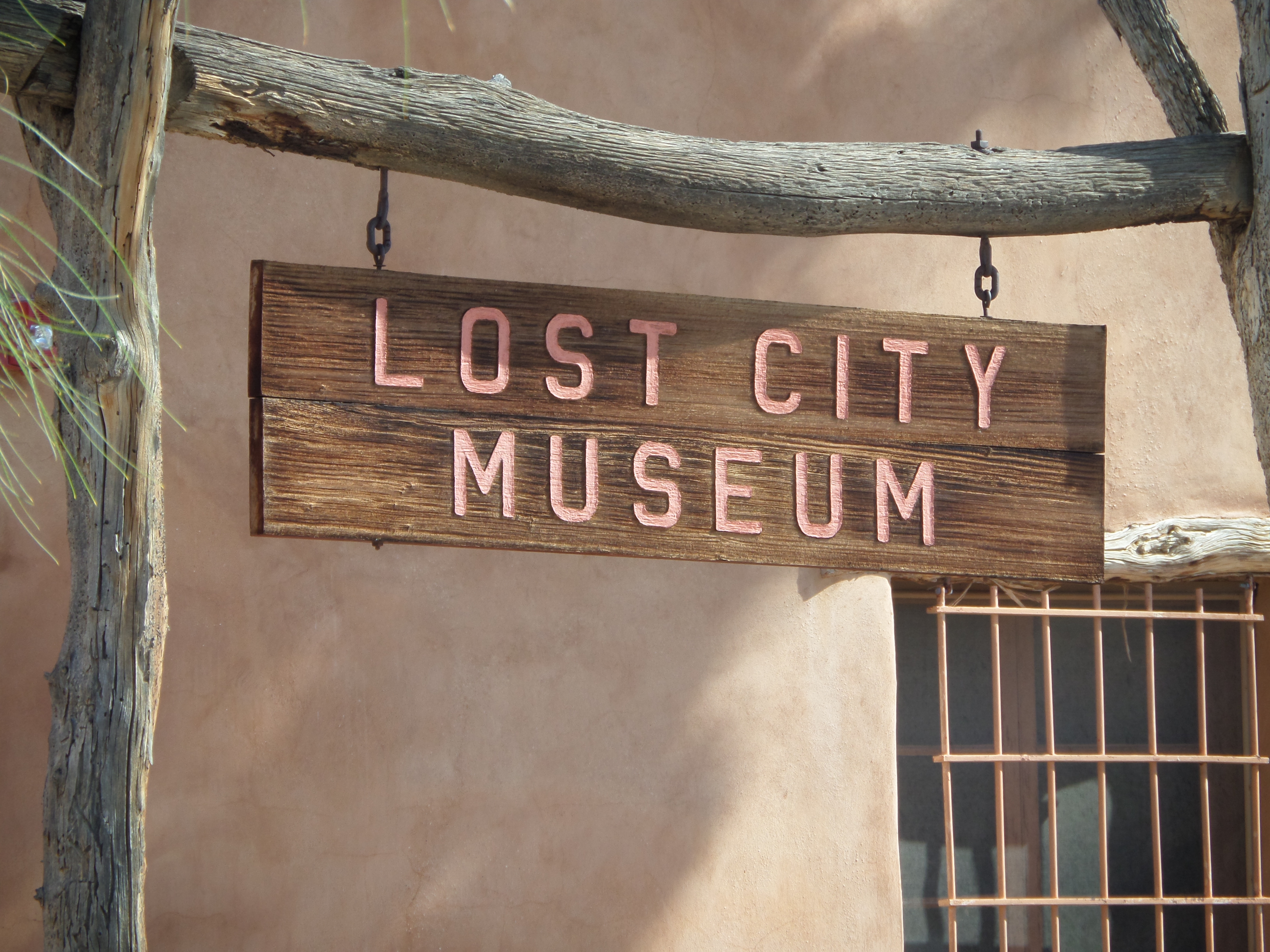
UNLV’s Alternative Break program will partner with the Lost City Museum on Nov. 21 to provide students with hands-on learning opportunities about Indigenous heritage and culture ahead of National Native American Heritage Month.
Students will work alongside museum professionals to conserve ancient artifacts. By working with UNLV student volunteers, the immersive event serves to protect Indigenous heritage year-round, rather than limiting cultural engagement to November, by educating students through community engagement.
The Alternative Break program, offered by UNLV Service Learning & Leadership, hosts a variety of immersive trips throughout the school year. The program combines campus education with local community service initiatives while allowing students to volunteer off-campus.
Nevada is home to 20 federally recognized tribes comprised of 28 tribal communities, according to the Nevada Department of Native American Affairs. Each Native community has a unique connection to the region that continues to shape the state’s cultural landscape.
UNLV frequently highlights Native American Heritage Month on campus, where nearly 4% of students identify as Native American or Alaskan Native, according to UNLV’s Facts and Stats webpage. On-campus groups such as the American Indian Alliance offer a variety of programs to Native students seeking academic support or cultural connection.
UNLV also regularly issues land acknowledgments at the start of university-hosted events, formally recognizing that the university sits on the traditional homelands of the Nuwu, Southern Paiute People.
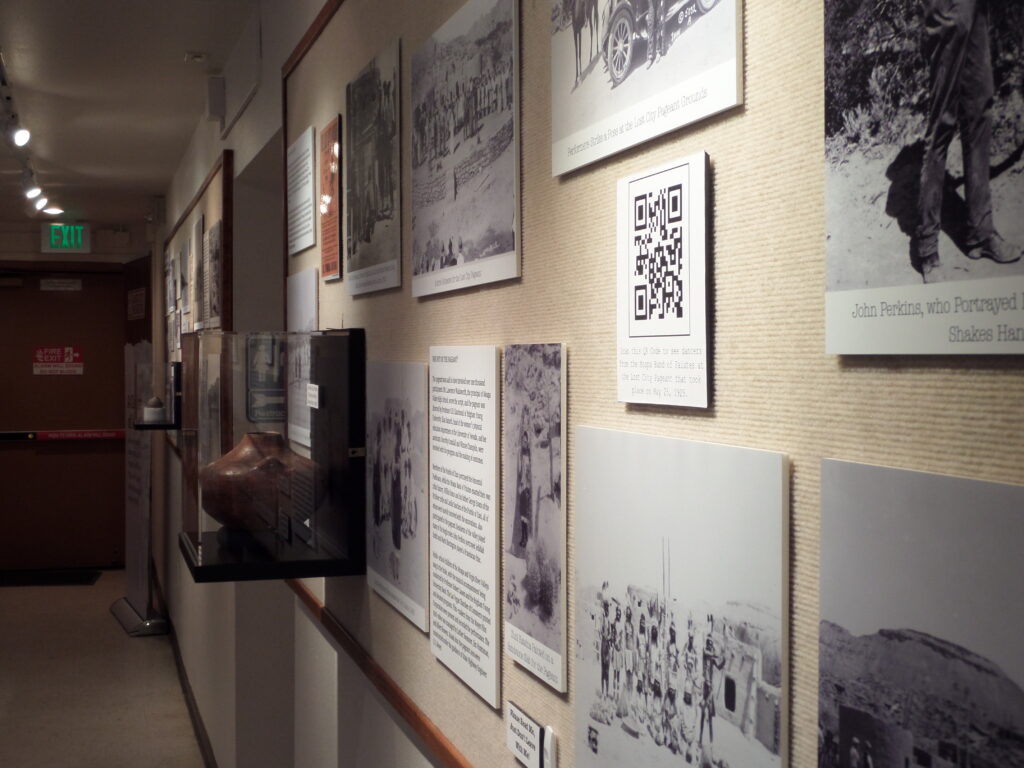
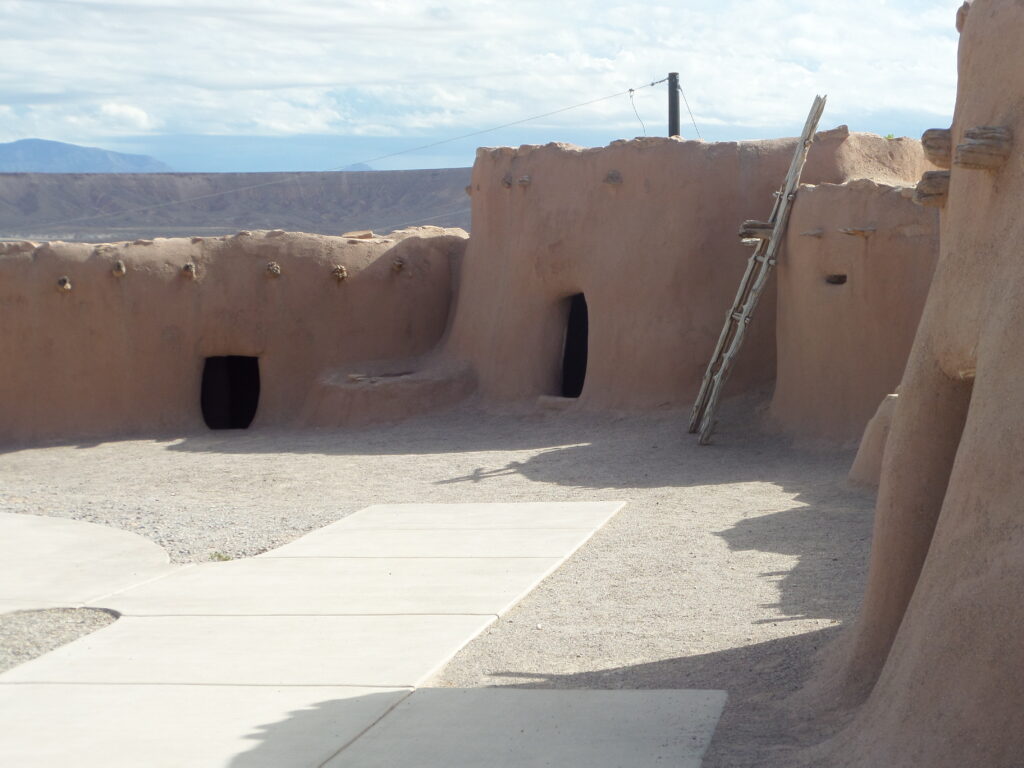
The Lost City Museum is an archeology and history museum in Overton, Nevada that primarily focuses on the Ancestral Puebloan people, a Native American civilization that lived in Moapa Valley nearly 1,000 years ago. Built in 1935, the museum preserves Indigenous heritage by preserving artifacts rescued during the excavation of the Pueblo Grande de Nevada before the creation of Lake Mead.
“Students are going to be doing the job of essentially being the first people to look at these items since the archaeologists excavated them,” said Anthony Graham, curator of exhibits at Lost City Museum. “So much time we spend learning from books, working in the library. A lot of the skills used by professionals are learned in the field, in the museum, working with artifacts.”
Graham said a typical museum displays around 2%-5% of the actual collection for the public to see. The remaining artifacts are kept in storage due to fragility and limited gallery space from the sheer amount of items that museums receive.
“A lot of items come in from either donations or from other archaeological digs. And we just don’t have the human power to process all of them. So a lot of these items are lithics from previously older excavations that were done, that still need to be processed into our system,” said Graham.
Virginia Lucas, curator of archaeology at Lost City Museum, agreed that the process requires significant effort.
“You’ve got to be up to museum standard practice; there’s a whole list of things,” Lucas said. “Not having the manpower to do that, it’s great to have students that want to help.”
The Lost City Museum and the Alternative Breaks program previously worked together earlier this year for the museum’s Native American Heritage Culture Celebration. Graham expressed the importance of holding events that celebrate Indigenous heritage year-round.
“Indigenous history doesn’t have to be confined to just one month. It exists 12 months out of the year,” Graham said.
Students looking to get involved with the Alternative Breaks program can apply through the UNLV Involvement Center’s Alternative Breaks web portal. For more information about the Lost City Museum, visit its website to view current exhibits and upcoming events.

