

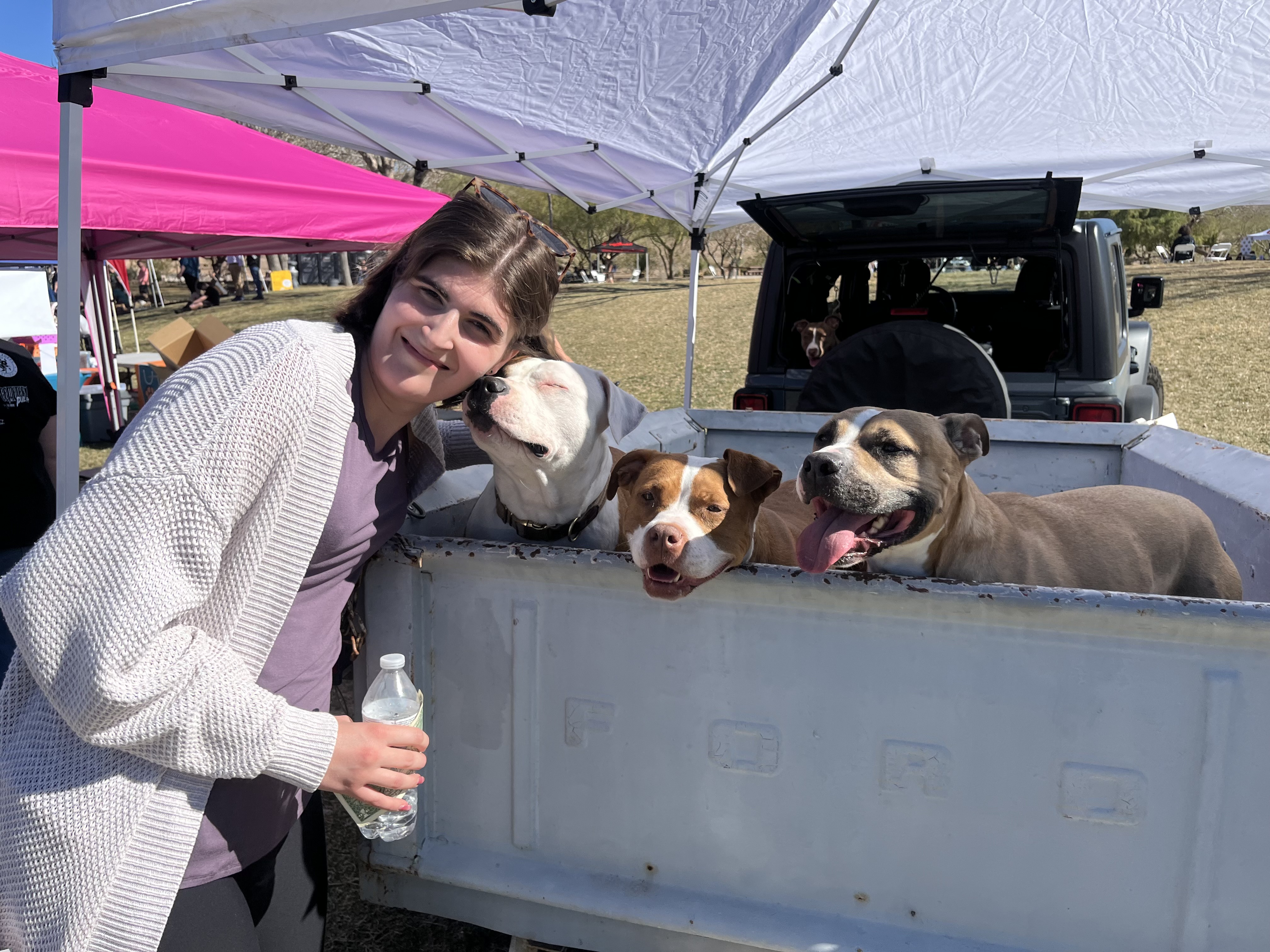
A Las Vegas adoption event brought rescues and families together while highlighting a growing animal shelter “space crisis” that requires urgent community action, advocates say.
“Paws at the Peak” connected residents with adoptable pets from local rescues and nonprofits while raising awareness about overcrowding at Southern Nevada shelters on Feb. 28.
The Animal Foundation, the region’s primary open-admission shelter, reported significant overcrowding in recent years.
The facility has seen a 61% increase in animals entering the shelter since 2020, pushing capacity to what the organization describes as “inhumane levels,” according to a statement by the foundation.
The shelter said it is currently caring for more than 1,000 animals and has warned that overcrowding can lead to the “heartbreaking possibility of euthanizing for space.”
When shelters exceed capacity, animals may experience significant stress and behavioral decline, the foundation noted. Crowded environments increase anxiety, repetitive behaviors, illness risk and injury among animals that are forced to spend long periods in confined spaces.
Over time, those conditions create a positive feedback loop that makes animals more difficult to adopt.
“When an animal’s quality of life declines and no homes are available, keeping them in the shelter can become inhumane – and euthanasia may be considered,” the organization added later in the statement.
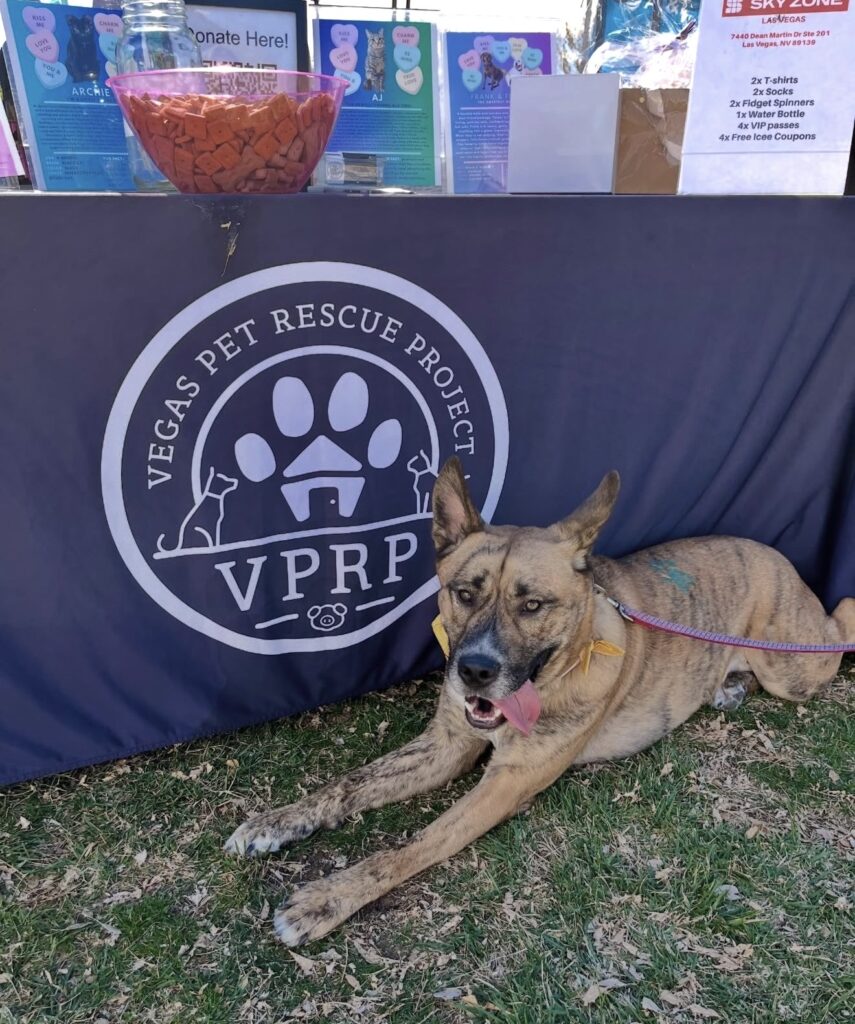
The event brought together rescue groups including Animal Help Alliance, Vegas Pet Rescue Project, Kiss My Paws Rescue, House of Second Chances Animal Rescue and the Las Vegas Valley Humane Society, among other regional groups. These groups work closely with The Animal Foundation to reduce shelter populations through adoption and foster programs
For these local rescues, the goal is to intervene before animals reach the point of euthanasia.
Rachel Brannon, vice president and board member for Vegas Pet Rescue Project, said the organization regularly pulls at-risk animals from The Animal Foundation when foster homes are available.
“We do all we can to pull dogs from The Animal Foundation who need medical care, or who are at risk, so we can get them into our foster home and save their lives,” Brannon said.
However, she emphasized the number of animals they can rescue depends entirely on the number of available foster families.
“We could save a dog every day if we had the foster space,” Brannon said. “We get them adopted or a new foster family signs up, we pull another dog, and that’s just how it works.
“We’re just begging people in the community to sign up to foster, because everybody who signs up to foster means we can save another dog.”
At the event, volunteers from Las Vegas Rescue Center said rescue groups are often responding to the consequences of overbreeding and abandonment.
“People don’t get their animals spayed and neutered,” said volunteers Laura and Amber.
They also pointed to the impact of commercial breeding operations and backyard breeding.
“They have defects because a lot of them come from puppy mills and backyard breeding that don’t care about them,” they said.
Rescue groups say the demand for specific breeds or “designer” animals often leaves many adoptable pets overlooked, emphasizing the importance of “adopt, don’t shop.”
“It’s a great message because there are so many great animals that are in our facilities that just get overlooked because people want name-brand animals,” the volunteers added.
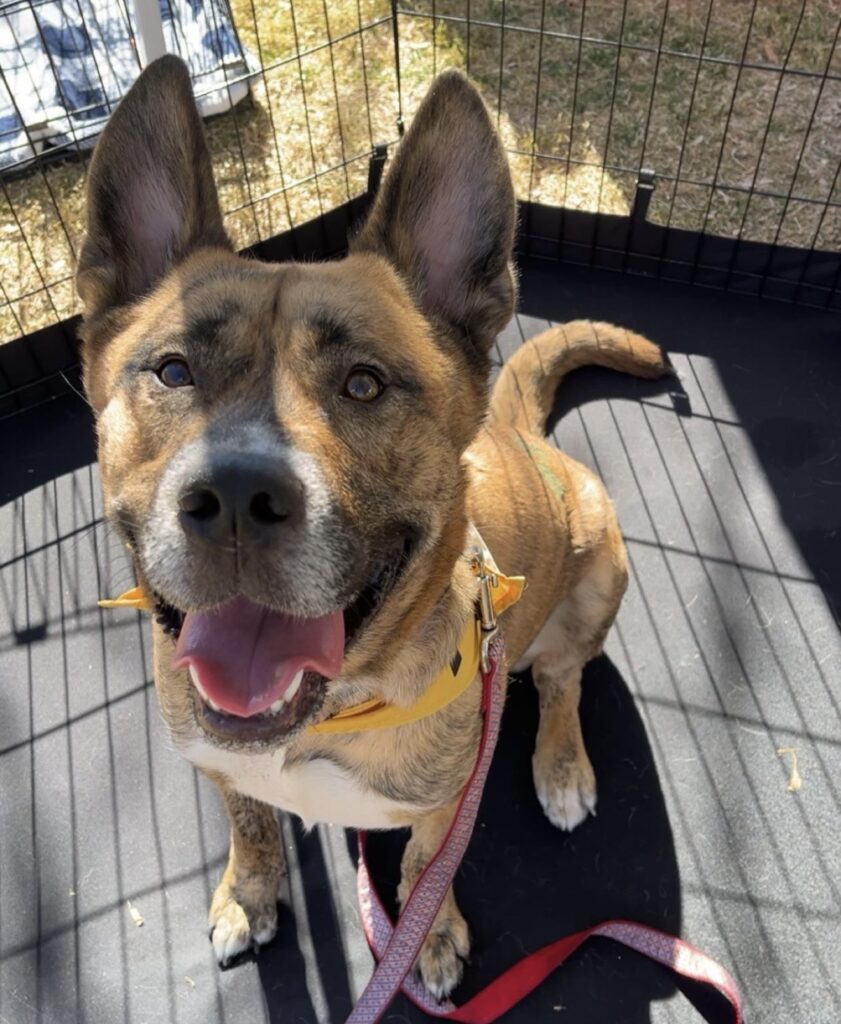
Many of those animals ultimately end up in shelters or rescues once they are no longer profitable for breeders.
“They do end up in the rescues and the shelters because when they’re too old to be adopted, that’s where they end up,” they said. “They’re not sellable anymore when they get past a certain age.”
Despite those challenges, rescues say adoption programs have helped thousands of animals find homes.
“We’ve had over 5,000 adoptions since 2018,” the volunteers said.
Events like “Paws at the Peak” help connect those animals with potential adopters who may not otherwise visit a shelter.
“A lot of these dogs are really great, they just get overlooked,” they said. “You just need to give them a chance.”
Foster programs also play a crucial role in easing pressure on shelters.
Susan, a representative with Pawtastic Friends, a nonprofit that provides enrichment training and support programs to help animals become more adoptable, said overcrowding often affects healthy animals that could thrive in homes.
“A big problem is that more healthy animals don’t need to be euthanized,” she said.
Fostering provides a temporary solution that benefits both the animals and the shelter system.
“When you foster, it’s a win-win situation,” she said.
Advocates say community participation – whether through adoption, fostering, volunteering or donations – remains the most immediate way to reduce overcrowding and improve animal welfare.
For rescuers working on the front lines of the crisis, every new foster home or adoption can mean another life saved.
“Every time you foster a dog and get them adopted,” Brannon underscored, “you save another one.”

